Journal · Showroom
Why the sample and the slab are different colours
The light in a showroom, the light from your window and an evening lamp give you three different materials. How to look at samples.
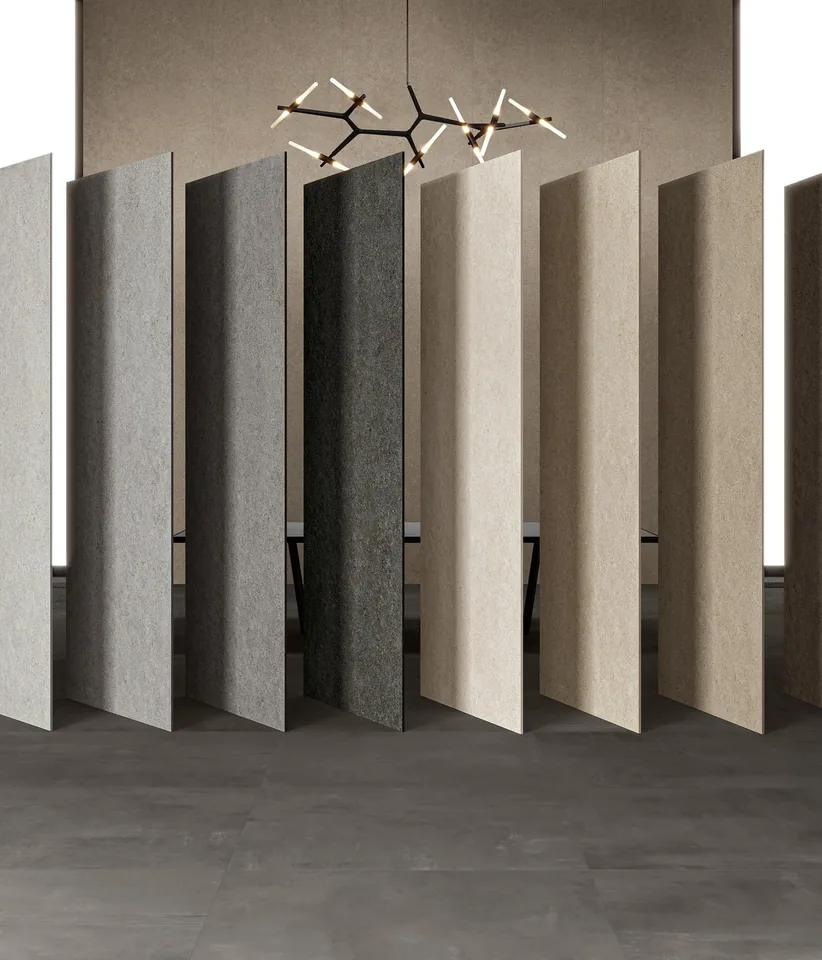
Someone chooses a beige travertine, gets to the site and finds it grey and cold. Same slab, same product code, same batch. What differs is not the material but the light.
Three lights, three materials
Light has a temperature in kelvins and an ability to render colour honestly. Both of them vary.
- 01 Showroom Usually 4000 K with a high colour rendering index: that is how a material is shown at its best. It is a neutral laboratory, not your flat.
- 02 Daylight from the window From 5000 to 7000 K, and it depends heavily on which way the window faces. A north window pulls beige towards grey, a south one towards yellow.
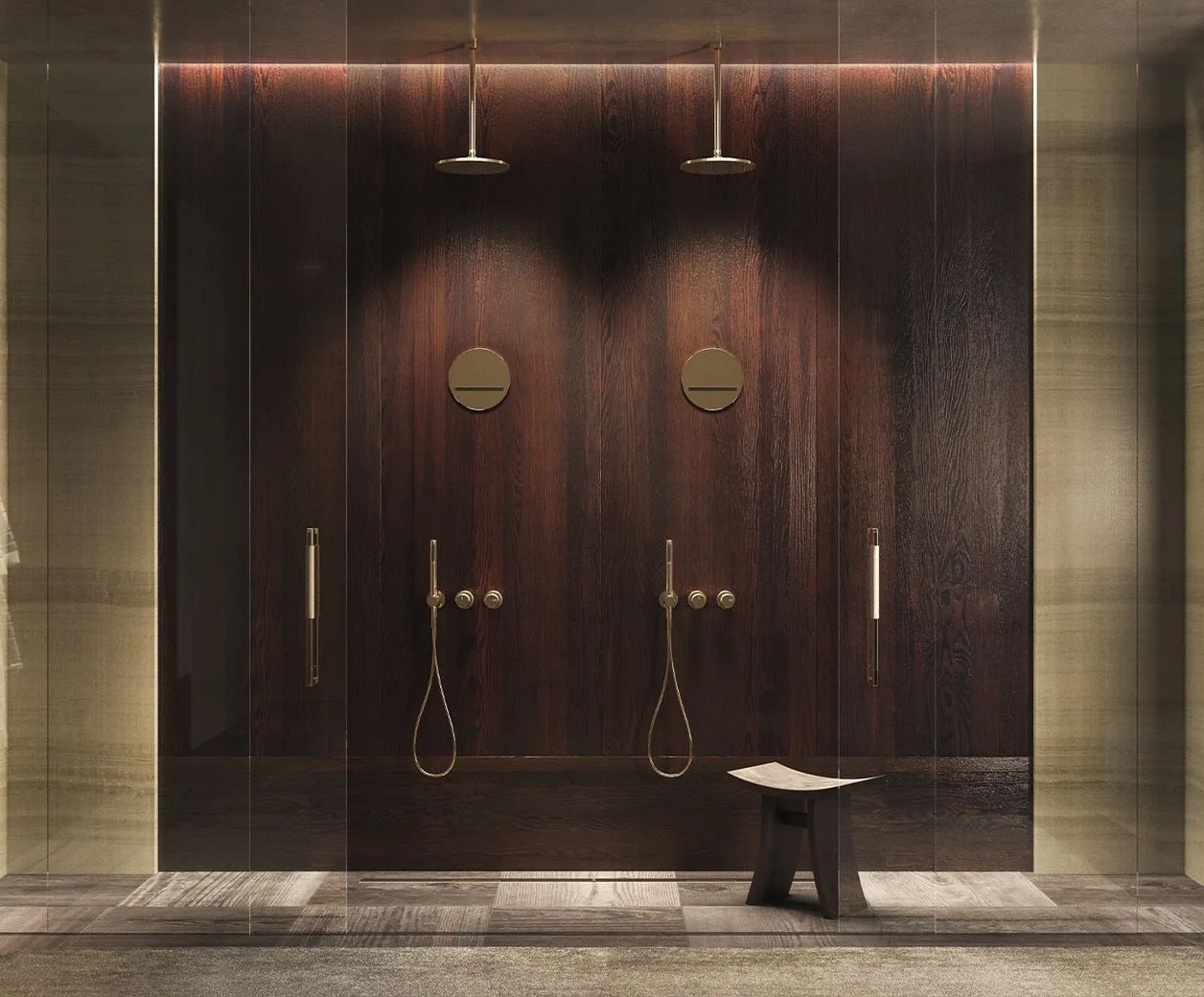
- 03 Evening lamp 2700–3000 K. Grey turns warm, cool marble yellows and cool concrete starts to look dirty.
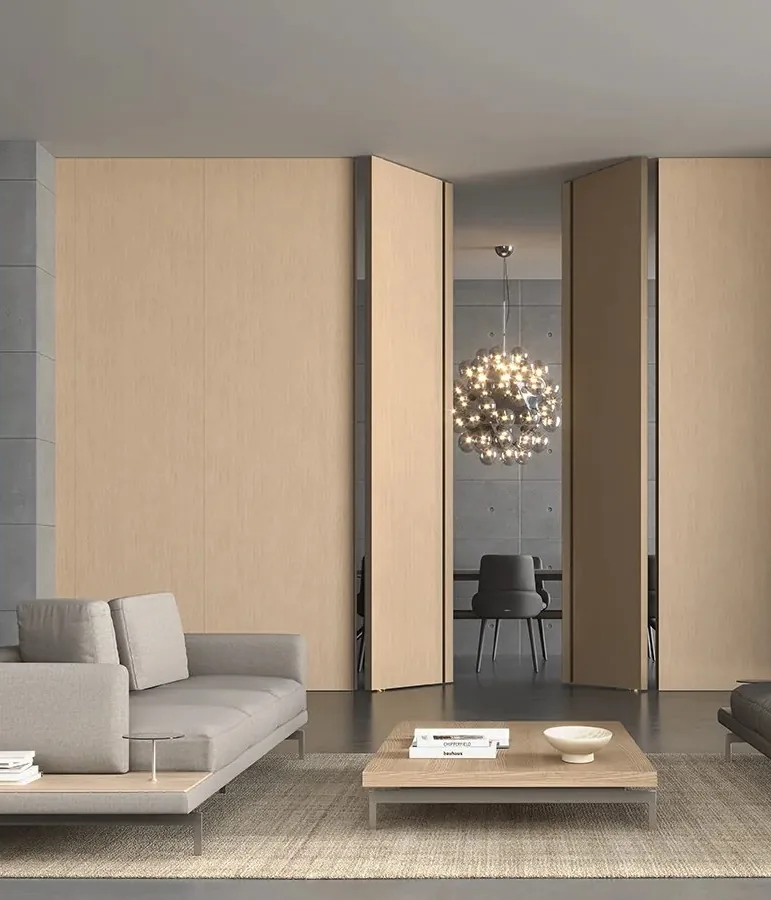
- 04 Reflected light Green curtains, a terracotta floor, wood on the ceiling — all of it tints the slab. Across large surfaces the effect is easy to see.
What to do about it
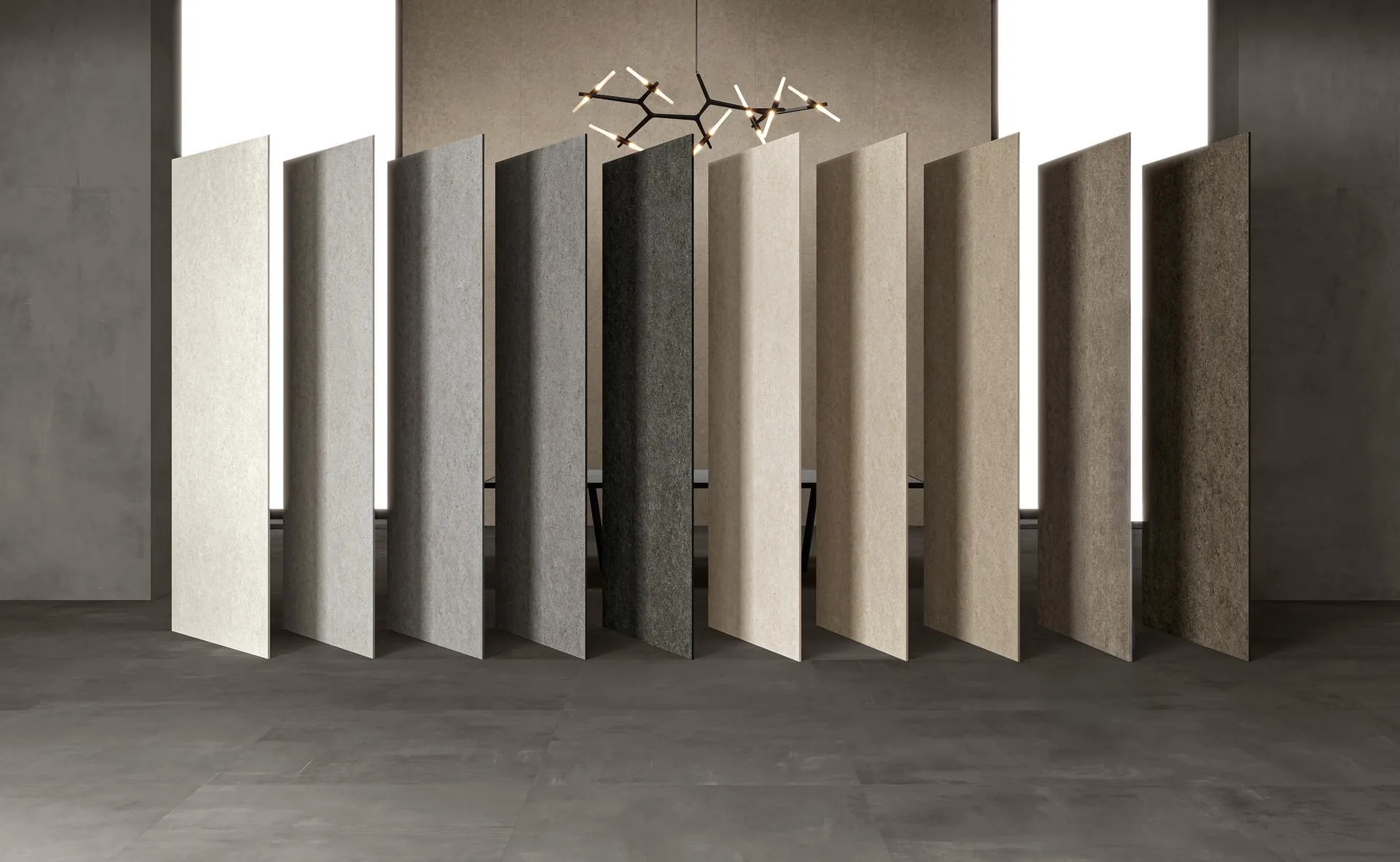
Take a sample home. Not a photo, not a preview from a website — a physical piece, for a day. Put it where the material will go and look at it in the morning, in the afternoon and in the evening with the lamp on. If there is no light in the flat yet, bring your own bulb of the temperature you plan to use.
You don’t choose a material from a catalogue. You choose it in the light you are going to live with it in.
Which light shifts what
| Lighting | Temperature | Shifts | What to check |
|---|---|---|---|
| Showroom | Temperature4000 K | Shiftsnowhere | What to checkthe base tone |
| North window | Temperature6000–7000 K | Shiftstowards grey | What to checkbeiges and warms |
| South window | Temperature5000 K | Shiftstowards yellow | What to checkwhites and cools |
| Evening lamp | Temperature2700 K | Shiftstowards warm | What to checkgreys and graphites |
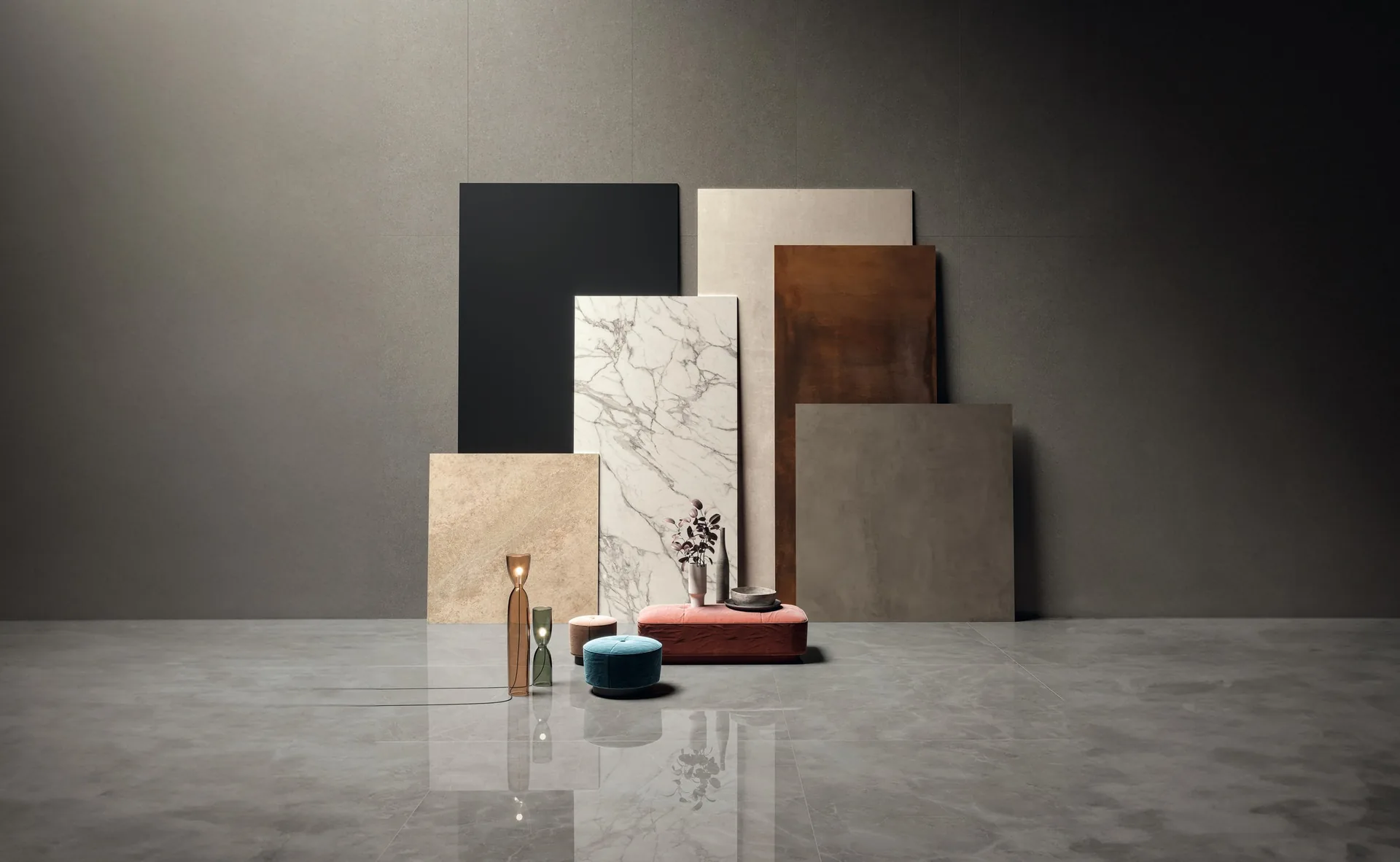
About photographs
A phone adjusts the white balance automatically, and it does so across the whole frame. Photograph a beige slab next to a white wall and the camera will pull the slab towards grey. If you are shooting for comparison, put a sheet of white paper in the frame and don’t change the exposure between shots.
And don’t decide from screenshots off social media: the light is someone else’s, the editing is someone else’s, and your monitor is a third variable.




Take samples away for a day
Book a visit